
Product Overview
GHK-Cu, widely known as Copper Tripeptide-1, is a small peptide complex formed when the tripeptide glycyl-L-histidyl-L-lysine binds with copper ions. In recent years, this compound has received considerable attention in cosmetic science and skincare research because peptide-based ingredients are increasingly studied for their role in modern skin formulations. The combination of a short peptide chain with a trace metal element results in a stable structure that can be examined in laboratory environments focused on skin biology and cosmetic raw materials.
The peptide was first identified in human biological fluids during early biochemical research. Later studies found that small peptides may interact with systems related to skin structure and cellular communication. Because of this, GHK-Cu has gradually become a familiar compound in research involving peptide-based skincare ingredients and cosmetic formulation development.
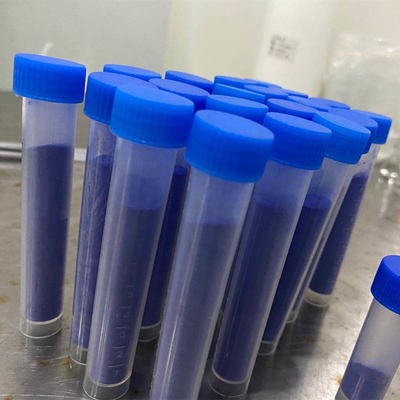
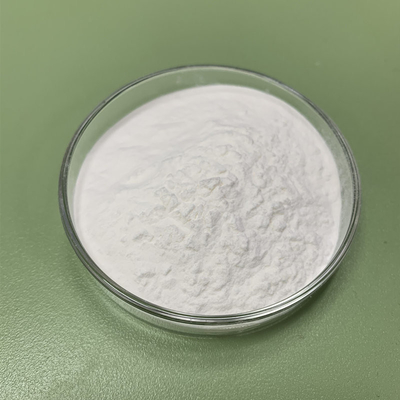
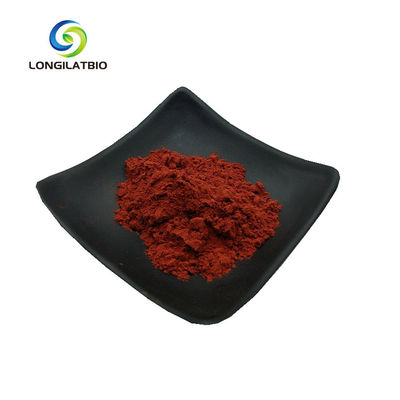
GHK-Cu peptide powder is commonly manufactured through advanced peptide synthesis followed by purification steps that remove impurities and ensure a consistent product profile. Quality verification is typically performed using analytical techniques such as HPLC-UV to confirm purity levels. The purified material appears as a blue powder, which is a characteristic color associated with copper-peptide complexes.
In cosmetic research laboratories, peptide ingredients are often studied during early formulation development. Thanks to its relatively small molecular size and good solubility in water-based systems, GHK-Cu can be easily incorporated into experimental skincare formulations such as serums, essences, gels, or lotion prototypes.
![]()
Characteristics in Skincare Research
One of the most notable properties of GHK-Cu is its copper-binding capability. Copper is a trace element involved in a variety of biological reactions, including those related to enzymes and structural proteins within the skin environment. When copper ions are combined with the GHK peptide, the resulting complex becomes a stable molecule that researchers can analyze in studies related to skin biology.
The tripeptide structure of GHK-Cu also offers practical benefits during formulation experiments. Compared with larger biomolecules, smaller peptides can disperse more easily in aqueous cosmetic systems. This makes them convenient ingredients when scientists are testing peptide compatibility in skincare formulations.
Another aspect that makes GHK-Cu interesting for cosmetic laboratories is its structural stability. When stored correctly, peptide powders like GHK-Cu can maintain their molecular integrity for long periods. This stability allows researchers to use the material repeatedly during formulation trials and laboratory evaluations.
In addition, peptides have become an important topic in cosmetic ingredient innovation. Many skincare formulations today incorporate peptides designed to support research into skin conditioning and cosmetic performance. As a copper-binding peptide, GHK-Cu is often included in these research projects to evaluate how peptide ingredients behave in skincare systems.
Applications in Cosmetic and Skincare Studies
GHK-Cu peptide powder is widely used in cosmetic ingredient research and skincare formulation experiments. In laboratories dedicated to skincare development, scientists frequently analyze peptide ingredients to understand their compatibility with different formulation bases.
During prototype development, GHK-Cu may be introduced into cosmetic research systems such as hydrating serums, gel-type skincare products, or cream emulsions. These test formulations allow researchers to observe how peptide ingredients behave when combined with other cosmetic components.
Another research area involves the study of peptide interactions with biological systems related to skin structure. In controlled laboratory environments, scientists may investigate how certain peptides interact with proteins present in the extracellular matrix or with signaling processes within skin cells. These studies contribute to the broader understanding of peptide technology in cosmetic science.
GHK-Cu is also used in analytical laboratories studying peptide materials. Because the compound has a clearly defined molecular structure and predictable analytical profile, it can serve as a reference substance during peptide purification research or chromatographic method development.
![]()
Product Specifications
| Item | Description |
|---|---|
| Product Name | GHK-Cu (Copper Tripeptide-1) |
| CAS Number | 9030-95-5 |
| Purity | ≥99% |
| Appearance | Blue Powder |
| State | Solid |
| Test Method | HPLC-UV |
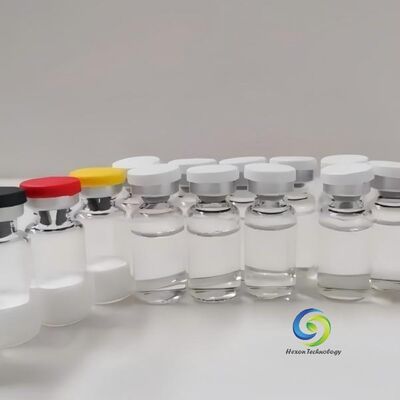
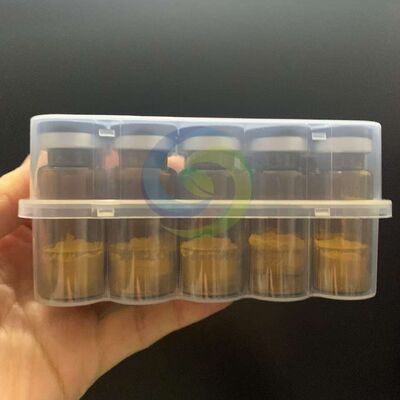
| Package | 100 mg per vial, 10 vials per kit |
| Application | Cosmetic and Research Use |
| Storage | Store sealed at 4°C, away from light and moisture |
| Shelf Life | Retest date: 2 years under recommended conditions |
Storage and Handling
For best stability, GHK-Cu peptide powder should be kept in a cool and dry environment. Refrigeration at approximately 4°C is generally recommended. The container should remain tightly closed in order to limit exposure to humidity and air.
When used in cosmetic research or laboratory testing, the powder may be dissolved in sterile water or other suitable solvents depending on the formulation design. Following standard laboratory handling procedures helps maintain product quality and ensures accurate experimental results.
Conclusion
GHK-Cu is a copper-binding peptide widely studied in cosmetic science and skincare ingredient research. Its small molecular structure, characteristic blue appearance, and high purity make it suitable for laboratory experiments focused on peptide-based cosmetic formulations.
Researchers frequently use this compound when exploring skincare ingredients, peptide compatibility in formulations, and the interaction between peptides and biological systems related to skin. When properly stored and handled, GHK-Cu peptide powder provides a reliable material for cosmetic and scientific research applications.


